

The world as we know it today has been shaped by a series of revolutions, and one of the most pivotal in human history was the First Industrial Revolution. This transformative period, which took place in the late 18th and early 19th centuries, forever altered the way society functioned, introducing new technologies, economic systems, and social structures. In this blog post, we’ll delve into the fascinating world of the First Industrial Revolution, exploring key facts and introducing you to some of the individuals who played pivotal roles in this monumental shift.
The Genesis of Change: Mechanization
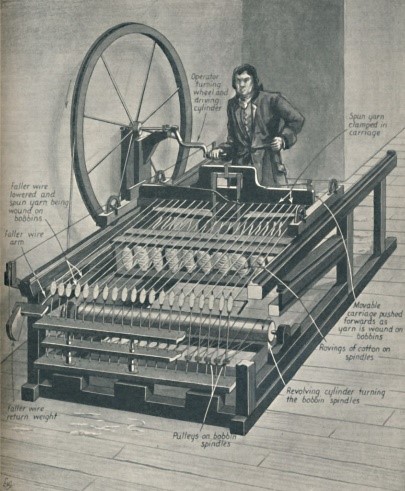
The Industrial Revolution’s origins can be traced back to England in the mid-18th century when the textile industry began to undergo significant changes. One of the driving forces behind this transformation was James Hargreaves, a weaver and inventor who developed the Spinning Jenny in 1764. This revolutionary invention allowed a single worker to spin multiple threads simultaneously, greatly increasing textile production.
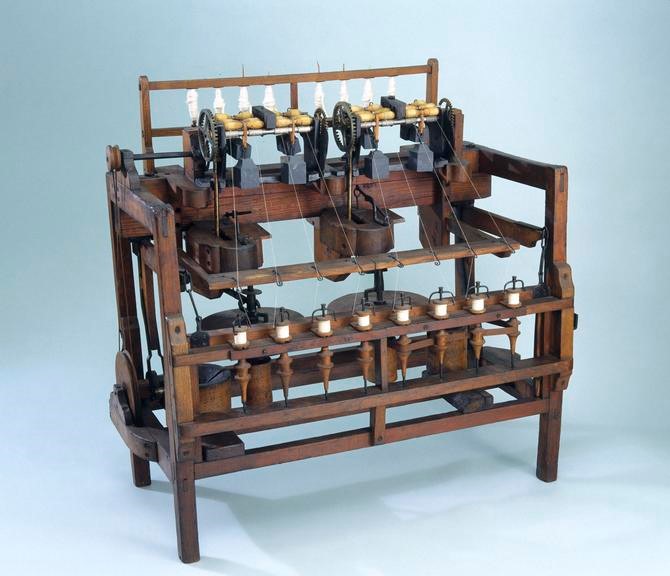
Another pivotal figure in the early stages of the revolution was Richard Arkwright, who patented the water frame in 1769. This water-powered spinning machine marked a significant leap forward in textile manufacturing efficiency. These innovations paved the way for the mechanization of various industries, heralding the beginning of an era where machines would replace much of the manual labour.
The Power of Steam: James Watt and the Steam Engine
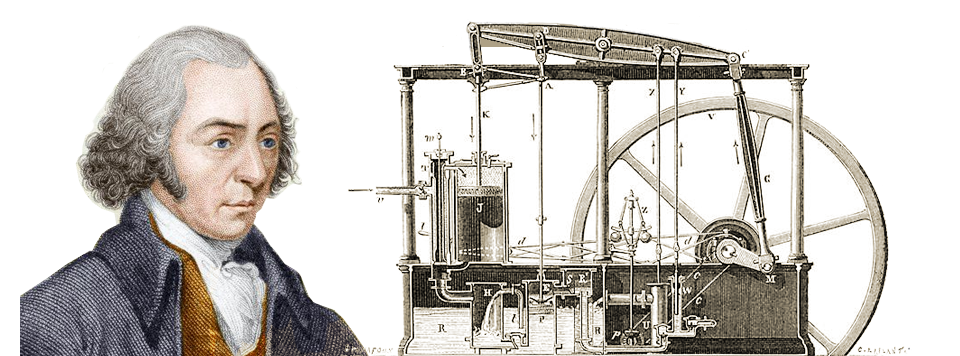
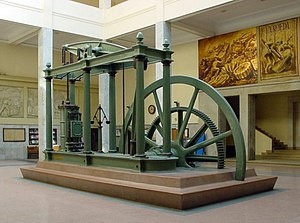
While mechanization was making strides, it was the development of the steam engine that truly fuelled the First Industrial Revolution. James Watt, a Scottish engineer, is often credited with perfecting the steam engine in the late 18th century. His improvements made the steam engine more efficient and practical for various applications, from powering factories to propelling locomotives.
Watt’s partnership with entrepreneur Matthew Boulton was instrumental in bringing steam power to industries across England and beyond. The Watt steam engine became the driving force behind the expansion of factories and the growth of the railway system, revolutionizing transportation and manufacturing processes.
The Iron Horse and the Railroad Boom
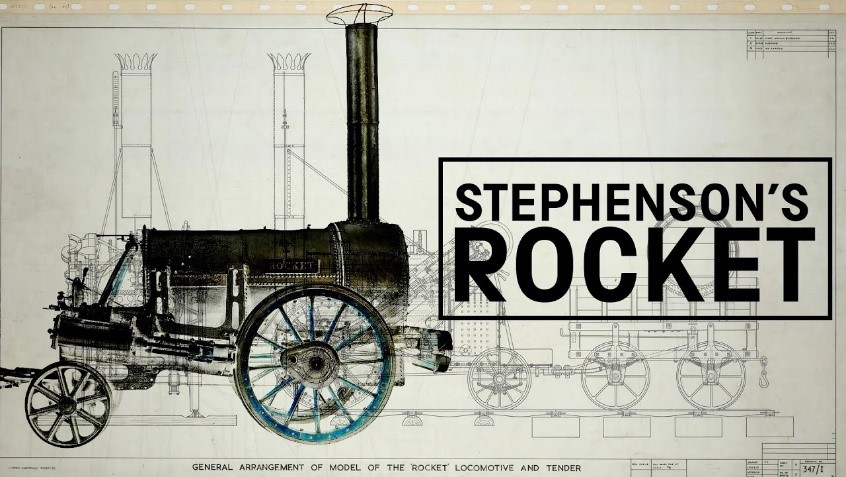
The First Industrial Revolution saw the rise of the railroad industry, forever changing the way people and goods were transported. George Stephenson, often referred to as the “Father of Railways,” played a pivotal role in this development. Stephenson designed the world’s first successful steam locomotive, known as the “Rocket,” in 1829. This locomotive ushered in a new era of rapid and reliable transportation.
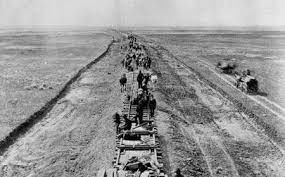
The expansion of railroads not only connected distant regions but also facilitated the movement of raw materials and finished goods, revolutionizing commerce. Factories could now distribute their products faster and farther, stimulating economic growth and job creation.
Textiles, Factories, and the Urbanization of Work
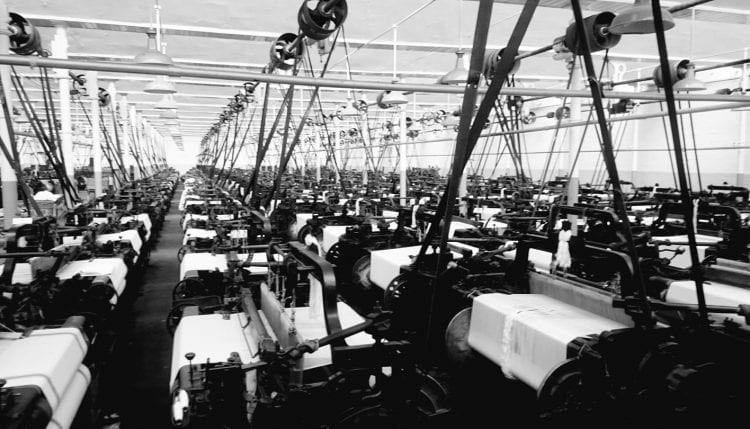
With mechanization and steam power at the forefront, textile manufacturing was one of the industries that experienced significant transformation. Cotton mills, powered by steam engines, sprang up across England. Factory work became increasingly common, drawing a massive rural population into urban centres like Manchester, Liverpool, and Birmingham.
The factory system introduced the concept of regular working hours and division of labour. It also led to the rise of factory owners and entrepreneurs like Richard Arkwright and Samuel Slater. These individuals amassed wealth and influence as they capitalized on the opportunities presented by the revolution.
Social Impacts: Labor Movements and Reform
The rapid industrialization brought about by the First Industrial Revolution was not without its challenges. The working conditions in factories were often harsh, with long hours and minimal worker protections. As a result, labour movements and reforms began to take shape.
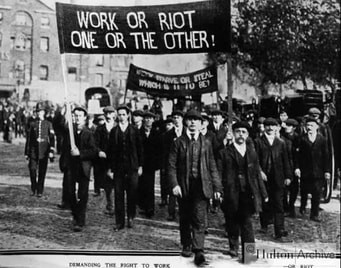

One notable figure in the fight for workers’ rights was Robert Owen, a Welsh industrialist and social reformer. Owen believed in the importance of improving workers’ living conditions and promoting education. He implemented some of these ideas in his textile mills, setting a precedent for more humane labour practices.
Economic Shifts: Capitalism and Innovation
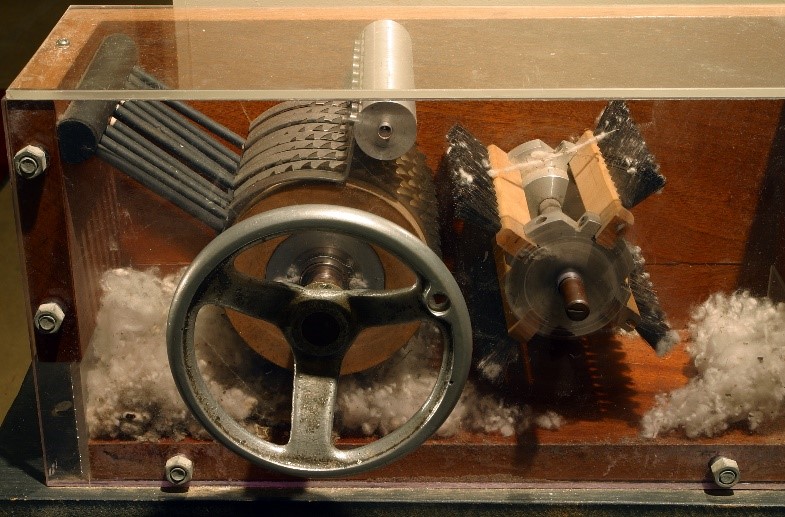
As the First Industrial Revolution progressed, it brought about significant economic changes. The traditional agrarian economy was gradually supplanted by a capitalist system driven by industrial production. Capitalists like Sir Richard Arkwright and Samuel Slater amassed vast fortunes by investing in factories and textile mills. In addition to the growth of capitalism, innovation played a crucial role in driving economic prosperity. Eli Whitney, an American inventor, revolutionized cotton production with the invention of the cotton gin in 1793. This device made cotton processing significantly more efficient, leading to a boom in cotton production in the southern United States.
A Revolution That Shaped the World
The First Industrial Revolution, driven by inventors, engineers, and entrepreneurs like James Hargreaves, James Watt, George Stephenson, Richard Arkwright, and many others, changed the course of human history. It ushered in an era of mechanization, steam power, and mass production that laid the foundation for modern industrial society.
This transformative period was not without its challenges and social upheaval, but it also paved the way for unprecedented economic growth and technological advancements. The legacy of the First Industrial Revolution can still be seen in the infrastructure, technology, and economic systems that shape our world today.
The impact of this revolution was not limited to England; it had far-reaching effects that touched every corner of the globe. It set the stage for subsequent industrial revolutions and established the template for how societies adapt to technological change. The First Industrial Revolution, with its remarkable innovations and trailblazing individuals, remains a testament to the power of human ingenuity and determination to reshape the world.
As we reflect on the profound impact of the First Industrial Revolution, it’s a reminder that innovation and determination have the power to reshape the world. In your own journey, whether it’s in business or any other endeavour, consider how you can harness the spirit of innovation to make a positive impact.
What revolutionary idea or innovation do you believe will shape the future of our world?