
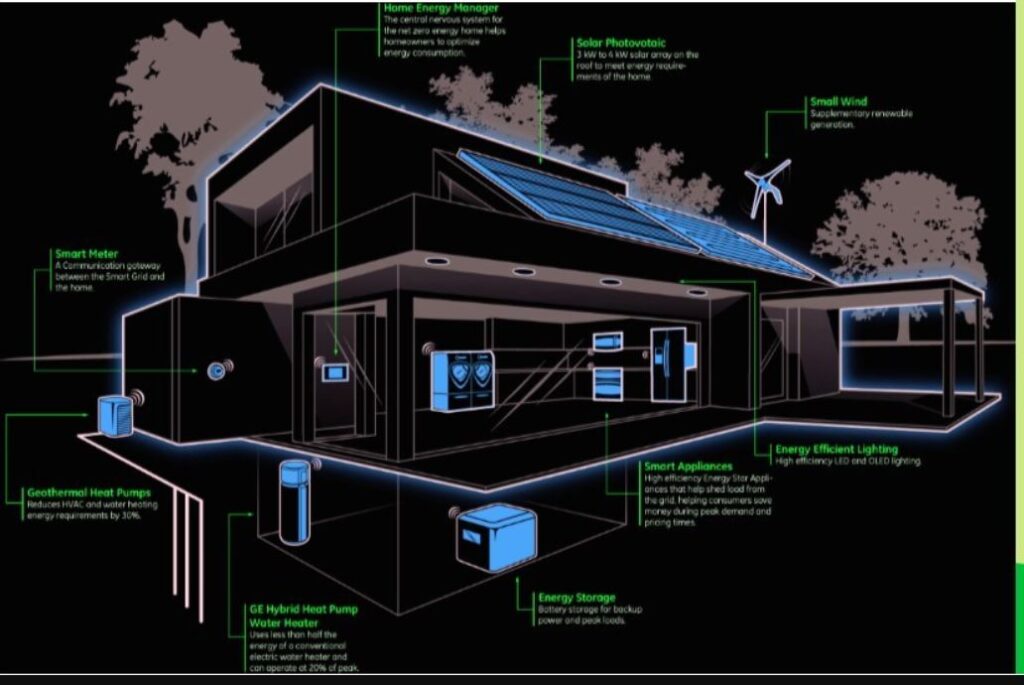
Welcome back to our continued exploration of “Industrial Automation Solutions for a Sustainable Future.” In this instalment, we will delve deeper into the realm of energy efficiency within manufacturing, focusing on the transformative role of industrial automation in creating smart factories that aim for net-zero operations. As industries worldwide increasingly prioritize environmental responsibility, the integration of renewable energy sources and advanced automation technologies becomes not only desirable but imperative. Join us as we uncover how energy-efficient smart factories are not just a trend but a necessity in shaping the future of sustainable manufacturing.
The Essence of Energy-Efficient Smart Factories
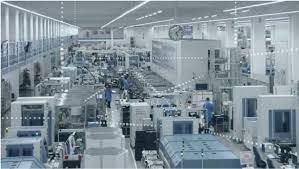
At the heart of energy-efficient smart factories lies the convergence of renewable energy sources, advanced automation technologies, and a steadfast commitment to sustainability. These smart factories leverage innovative solutions to optimize energy consumption, reduce carbon footprints, and transition toward net-zero operations.
Renewable Energy Integration
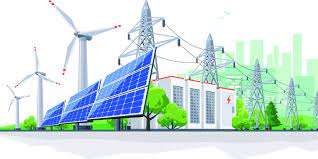
A cornerstone of energy-efficient smart factories is the seamless integration of renewable energy sources. In addition to solar and wind power, other renewables offer sustainable alternatives to conventional energy sources.
Hydropower is one such renewable energy source. Smart factories situated near rivers or other water bodies can utilize hydropower by installing turbines to convert the kinetic energy of flowing water into electricity. Micro-hydro systems, which generate electricity from small streams or water channels, offer a scalable solution for factories with varying energy needs.
In the realm of solar energy, advancements in photovoltaic (PV) technology have significantly improved solar panel efficiency. Traditional solar panels typically have an efficiency range of 15% to 20%. However, with ongoing research and development, newer generations of solar panels boast efficiencies of up to 22% to 24%. These higher efficiency rates mean that smart factories can generate more electricity using fewer solar panels, optimizing space utilization and increasing overall energy output.
Wind energy is another vital component of renewable energy integration in smart factories. Wind turbines, strategically placed in suitable locations, can harness the power of wind to generate electricity. Modern wind turbines are highly efficient, with some models achieving efficiency rates of up to 50%. By incorporating wind energy into their energy mix, smart factories can further diversify their renewable energy sources, enhancing overall sustainability and resilience.
Biomass energy is another viable option for smart factories. Biomass, such as agricultural residues, organic waste, or dedicated energy crops, can be converted into biogas or biofuels through processes like anaerobic digestion or pyrolysis. These biofuels can then be used to generate heat or electricity, providing a renewable and carbon-neutral energy source for manufacturing operations.
Dynamic Energy Management Systems
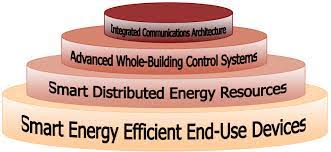
Automation technologies play a pivotal role in dynamic energy management within smart factories. Intelligent systems continuously monitor energy usage across various processes and equipment, adjusting consumption in real-time based on production demands. This optimization ensures efficiency without compromising output quality, resulting in sustainable operations.
Real-world Examples of Energy-Efficient Smart Factories
Let’s delve into real-world examples of industries successfully transitioning toward energy-efficient smart factories through the integration of automation and renewable energy:
- Automotive Manufacturing:
Leading automotive manufacturers are embracing solar-powered systems to meet a significant portion of their energy needs. Smart automation controls ensure seamless integration with production processes, optimizing energy usage and reducing costs.
- Consumer Electronics Production:
Smart factories in the consumer electronics sector are harnessing wind energy to power their operations. Automated systems monitor energy consumption, allowing for precise adjustments based on production schedules and energy availability.
- Pharmaceutical Production:
In the pharmaceutical industry, smart factories are integrating renewable energy sources such as biomass and geothermal energy to minimize their environmental footprint. Automated processes ensure efficient energy utilization, contributing to sustainable manufacturing practices.
Strategies for Achieving Net-Zero Operations

As industries aim for net-zero operations, several strategies can guide them on this sustainability journey:
- As industries aim for net-zero operations, several strategies can guide them on this sustainability journey:
Manufacturers can assess the feasibility of integrating various renewable energy sources into their facilities. Solar panels, wind turbines, hydropower systems, biomass boilers, and other technologies can be strategically deployed to harness clean energy and reduce reliance on non-renewable sources.
- Implementation of Energy-Efficient Technologies:
Embracing the latest advancements in automation and energy-efficient technologies is crucial. Smart sensors, machine learning algorithms, and intelligent control systems contribute to optimizing energy consumption and reducing waste.
- Collaboration with Energy Experts:
Collaborating with energy experts can provide valuable insights through comprehensive energy audits. By identifying areas for improvement, tailored solutions can be implemented to enhance energy efficiency and drive sustainability initiatives.
In conclusion, the journey toward energy-efficient smart factories represents a pivotal step in the pursuit of sustainable manufacturing. The integration of renewable energy sources and advanced automation technologies not only reduces environmental impact but also fosters long-term resilience and success for industries worldwide.
As we continue our series, we will further explore the concept of human-machine collaboration and its role in creating a sustainable and innovative future. We will look at circular economy and how industrial automation contributes to reimagining product lifecycles

Your Voice Matters!
How is your industry embracing energy-efficient smart factories? Share your insights, challenges, or innovations in the comments below. Let’s build a community committed to sustainable and efficient manufacturing.
Remember, every effort towards sustainability counts!