
Welcome back to our series on “Industrial Automation Solutions for a Sustainable Future.” In this instalment, we turn our attention to the critical issue of waste reduction through the optimization of resources. Industrial automation, with its precision and efficiency, plays a pivotal role in minimizing material waste and ensuring responsible resource utilization. Join us as we explore how smart automation strategies contribute to a more sustainable and eco-friendly manufacturing landscape.
Minimizing Material Waste

Industrial automation offers a transformative solution to the age-old challenge of material waste in manufacturing. Traditional processes often result in overconsumption and unnecessary waste. However, with the integration of automation technologies, manufacturers can implement targeted strategies to minimize material waste at various stages of the production cycle.
1. Smart Inventory Management Systems
Implementing smart inventory management systems is a key strategy for minimizing material waste. By utilizing sensors and real-time data analytics, manufacturers can gain precise insights into inventory levels. This enables them to optimize material orders, reducing excess inventory and preventing materials from becoming obsolete or reaching their expiration dates.
Smart sensors and intelligent control systems monitor energy consumption throughout the factory floor. They optimize the operation of machinery, adjusting output levels and shutting down non-essential equipment during periods of low demand. This not only reduces overall energy consumption but also lowers utility costs, offering a win-win scenario for both businesses and the environment. Thus lowering greenhouse gasses and controlling waste in energy

2. Precision Engineering with Robotics
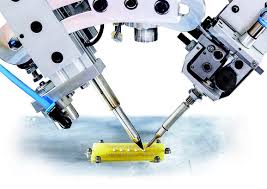
The deployment of robotic systems in manufacturing processes contributes to precision engineering. Robots can execute tasks with unparalleled accuracy, ensuring that materials are used efficiently with minimal margin for error. This precision not only reduces waste but also enhances the overall quality of manufactured products.
For example, automated systems can monitor and control the dispensing of raw materials with remarkable accuracy. Smart algorithms can adjust the quantity of materials based on real-time variables such as product demand, ensuring that excess materials are not used. This directly translates to cost saving due to less wastage of processed materials and larger profit margins.
Real-world Examples of Waste Reduction
Let’s delve into real-world examples of industries successfully implementing waste reduction strategies through industrial automation. The electronics manufacturing sector, for instance, has embraced automated robotic arms for intricate assembly tasks. This not only speeds up production but also significantly reduces the likelihood of defective products, minimizing material waste.
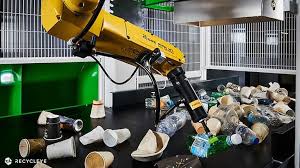
Similarly, in the food and beverage industry, automated packaging systems are revolutionizing the way products are prepared and packaged. These systems can optimize the use of packaging materials, reducing both costs and environmental impact. By embracing automation, companies in various sectors are making strides toward a more sustainable future.
The Path Forward: Strategies for Responsible Resource Utilization
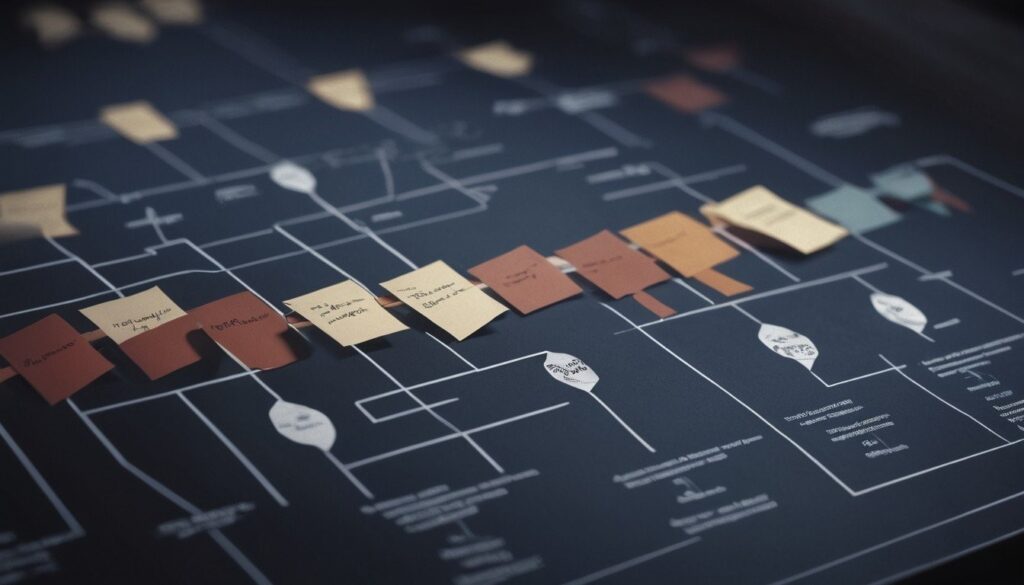
As manufacturers aspire to create eco-friendly and sustainable operations, several strategies can guide them toward responsible resource utilization:
- Comprehensive Energy Audits:
Conduct thorough wastage audits to identify areas for improvement. Implement automation solutions that enable dynamic control of waste based on demand fluctuations.
- Invest in Automation Training Programs:
Equip your workforce with the skills needed to operate and maintain automated systems effectively. Well-trained personnel are essential for optimizing resource utilization.
- Continuous Monitoring and Improvement:
Implement continuous monitoring systems to track material usage and waste generation. Regularly analyze data to identify opportunities for improvement and optimization.
- Collaborate with Suppliers:
Work closely with suppliers to establish sustainable practices throughout the supply chain. This includes adopting eco-friendly packaging and sourcing materials responsibly.
In conclusion, the optimization of resources through waste reduction is a crucial aspect of sustainable manufacturing. Industrial automation, with its precision, efficiency, and real-time data capabilities, empowers manufacturers to achieve significant reductions in material waste. By embracing smart inventory management, precision engineering with robotics, and fostering a culture of continuous improvement, industries can pave the way for a more sustainable future.
Stay tuned for the next part of our series, where we will explore the integration of renewable energy sources into automated manufacturing processes.

We want to hear from you! In what ways have you implemented waste reduction strategies in your manufacturing processes? Share your thoughts and success stories in the comments. Together, we can inspire positive change in industrial practices.