
In the annals of industrial history, a chapter of unparalleled transformation was penned: the Third Industrial Revolution, often hailed as Industry 3.0. This era, which unfolded in the latter half of the 20th century, heralded a digital renaissance that reshaped the very fabric of our existence, weaving together the threads of technology, innovation, and human ingenuity.
Digital Mastery Unleashed
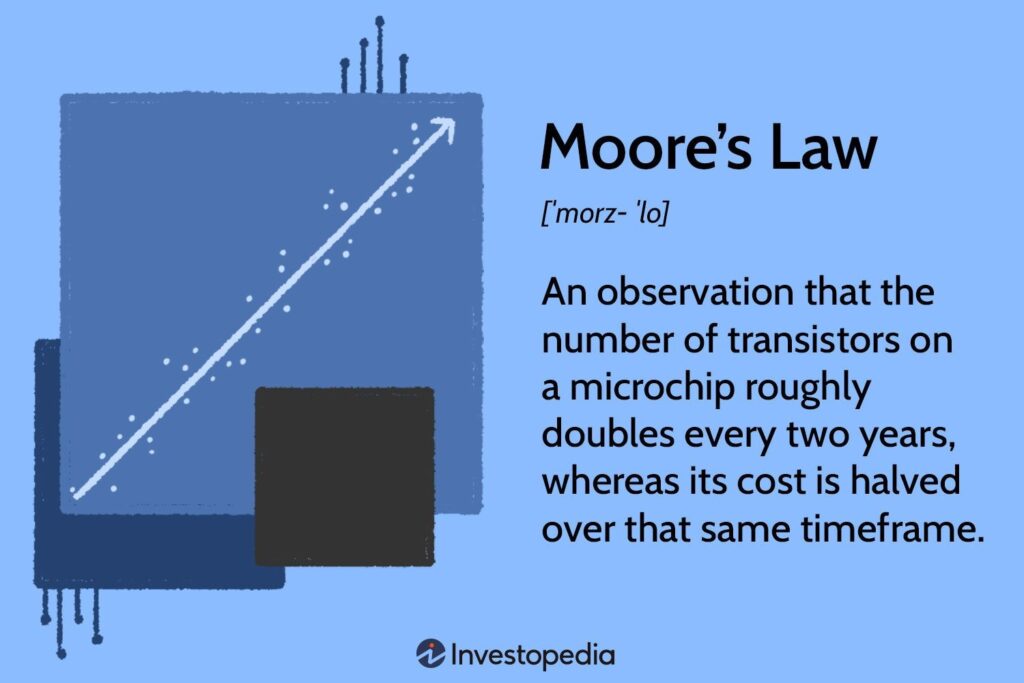
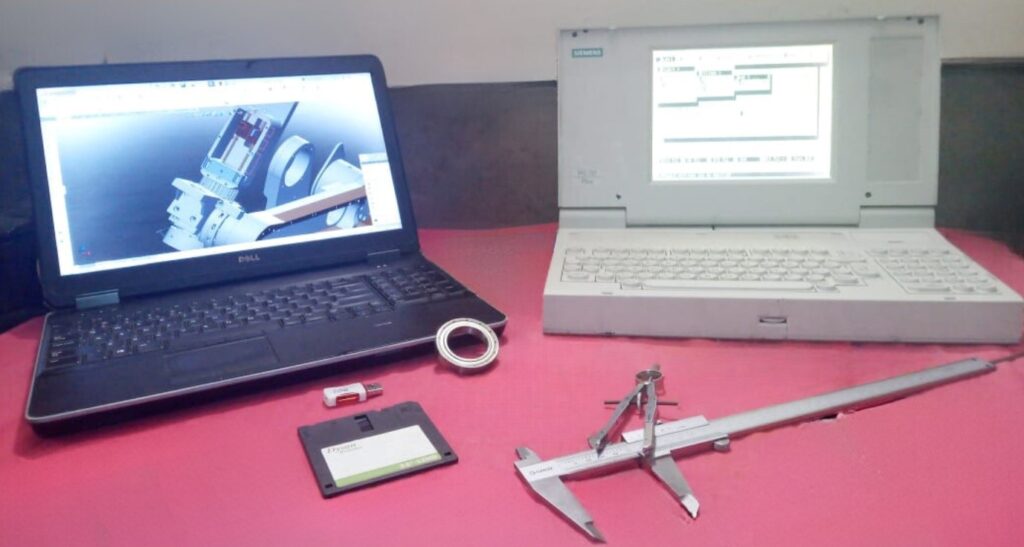
Central to the Third Industrial Revolution was the mastery of digital technologies. Visionaries like Gordon Moore, co-founder of Intel, put forth Moore’s Law, which predicted the exponential growth in computing power. Meanwhile, pioneers like Bill Gates and Steve Jobs founded Microsoft and Apple, respectively, shaping the personal computing landscape. Computers, once behemoth machines confined to scientific enclaves, underwent a remarkable transformation. They shrank in size but expanded exponentially in capability. These advances paved the way for businesses, both large and small, to embrace automation. Tasks that were once Herculean in nature became effortless through the precision of digital processing.
The Personal Computer Revolution
Simultaneously, a revolution was brewing on personal desks and in homes around the world. Microsoft’s Bill Gates, with the introduction of the Windows operating system, provided a common language for software developers and users. Steve Jobs and Apple, with its Macintosh, introduced a visually intuitive interface, democratizing computing and making it accessible to the masses. Suddenly, individuals became architects of their digital destinies, shaping information, creating content, and fostering communication in unprecedented ways.
The Networked World
The rise of personal computing was paralleled by a global surge in connectivity, driven by individuals like Leonard Bosack and Sandy Lerner, who co-founded Cisco Systems. Cisco’s routers and switches laid the foundations for the internet as we know it today, forging the digital highways that connected continents. The internet ceased to be a mere tool; it became a lifeline, knitting together people, businesses, and information. This newfound interconnectivity birthed opportunities for collaboration, commerce, and communication on a scale previously unimaginable.
The Power of Automation
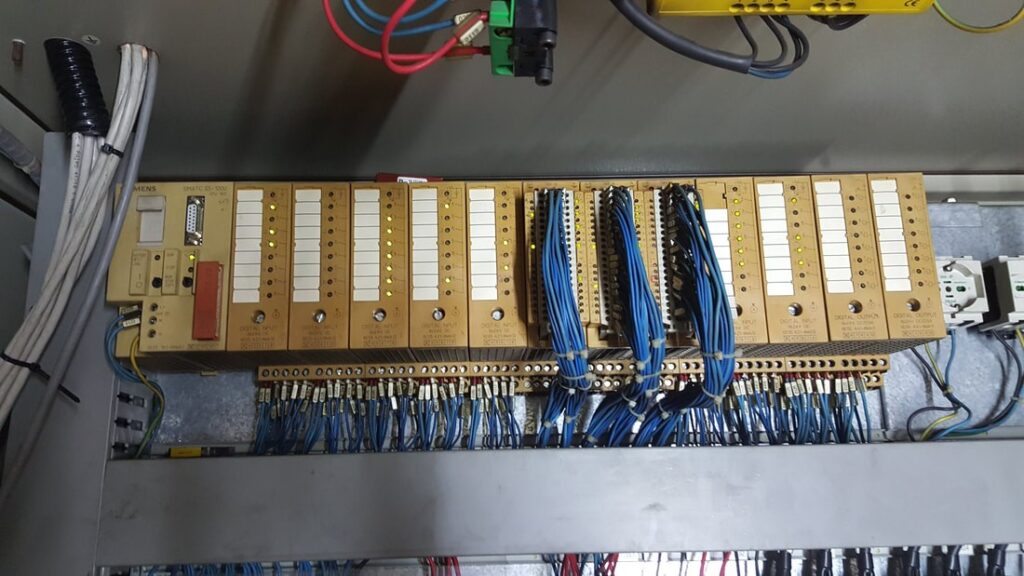
Industrial behemoths such as General Electric, with leaders like Jack Welch, and Siemens harnessed the power of automation. Factories, once human-driven, now hummed with the orchestrated precision of computerized systems. Automation became the watchword, enhancing efficiency, accuracy, and safety. Robots, once confined to science fiction, became stalwart companions on factory floors, collaborating seamlessly with human counterparts. Together, they ushered in a new era of manufacturing, one where the marriage of human ingenuity and machine precision resulted in unparalleled productivity.
Managing Information: The Database Revolution
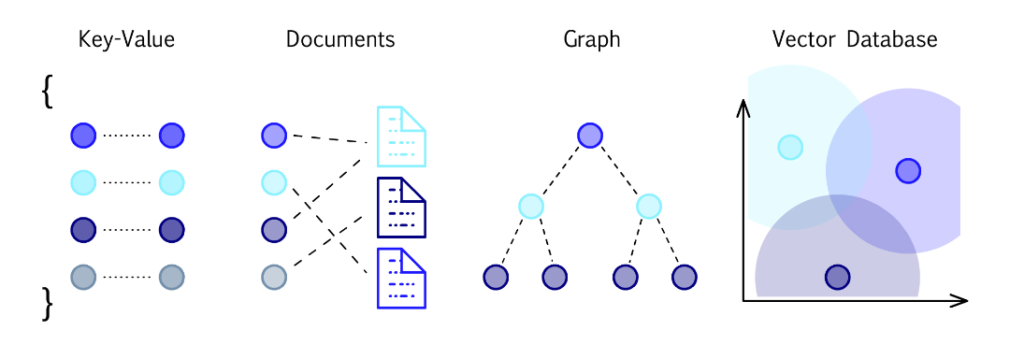
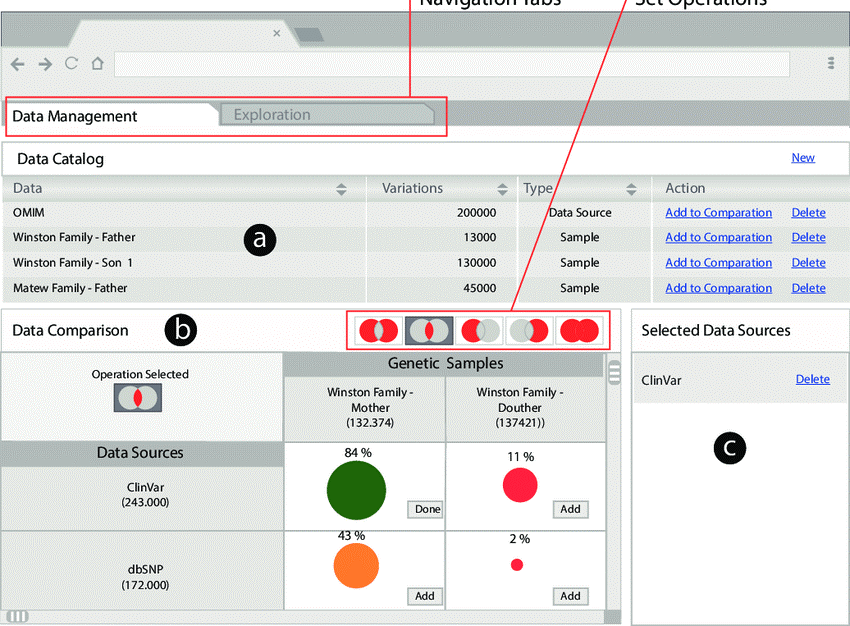
Amidst this digital renaissance, managing information emerged as a challenge and an opportunity. Larry Ellison co-founded Oracle Corporation, which stepped into the spotlight with its database management systems. These systems became the digital librarians of the era, organizing vast troves of data with finesse and efficiency. Businesses, armed with robust databases, made informed decisions, driving innovation and progress.
The Role of Small Businesses in the Digital Era
In the grand narrative of the Third Industrial Revolution, small businesses played a significant role that often goes unnoticed. While giants like Intel, Microsoft, and Cisco were pioneering major technological advancements, small businesses were adapting, innovating, and contributing in their own unique ways. They became the backbone of local economies, implementing digital solutions tailored to their specific needs.
One remarkable aspect of the digital revolution was its democratizing effect. Small businesses, armed with affordable personal computers and software applications, found themselves on a level playing field with larger counterparts. This newfound digital parity allowed them to streamline operations, enhance customer experiences, and expand their reach far beyond their physical locations.
The Challenges and Triumphs
However, this digital transformation was not without challenges. Small businesses faced the daunting task of adapting to rapidly changing technologies. Many entrepreneurs had to navigate the complexities of online marketing, cybersecurity, and digital payment systems. Yet, these challenges were met with tenacity and creativity. Small business owners, driven by passion and determination, embraced the opportunities offered by the digital revolution. They attended workshops, sought online tutorials, and collaborated with tech-savvy professionals to enhance their digital literacy.
The triumphs of small businesses in the digital era are inspiring tales of innovation and adaptability. Local cafes transformed into online coffee bean retailers, artisans found global markets for their unique crafts, and neighbourhood bookstores became e-commerce hubs for book lovers worldwide. These stories underscore the resilience of entrepreneurs and the transformative power of digital technologies.
Looking Ahead: The Future of Digital Transformation
As we stand on the cusp of the Fourth Industrial Revolution, the lessons learned from the Third Industrial Revolution serve as guiding beacons. The digital landscape is evolving at an unprecedented pace. Artificial intelligence, blockchain technology, and quantum computing are reshaping industries and creating new possibilities. Small businesses, armed with the experiences of the past, are poised to thrive in this dynamic environment.
To embrace the future of digital transformation, small businesses must continue to innovate and adapt. Embracing emerging technologies, understanding customer behaviour through data analytics, and fostering a culture of continuous learning are essential steps. Collaborations and partnerships with technology providers and fellow entrepreneurs can provide invaluable support and insights.
Legacy and Ongoing Impact
The Third Industrial Revolution, a crucible of innovation, left an unmissable mark on our world. Its legacy lives on in the form of the Fourth Industrial Revolution (Industry 4.0), where concepts like the Internet of Things, artificial intelligence, and big data reign supreme. The digital foundations laid in Industry 3.0 continue to shape our present and mold our future.
The Third Industrial Revolution stands as a testament to human resilience and creativity. It was an epoch where imagination danced with innovation, propelling humanity into a digital age that continues to evolve. For businesses like ours, focused on industrial automation and 3D printing, this revolution forms the bedrock of our expertise. As we stride into the future, remember the lessons of the past. Embrace innovation, foster collaboration, and let the spirit of Industry 3.0 guide you towards new horizons.
Conclusion: A Continuum of Innovation
The Third Industrial Revolution was not a static event but a continuum of innovation that propelled humanity into the digital age. It was a testament to human ingenuity, adaptability, and the relentless pursuit of progress. As we celebrate the achievements of the past, let us look forward with anticipation. The digital transformation journey is ongoing, and small businesses, with their agility and creativity, are integral players in this transformative saga.
In this ever-changing digital landscape, our business, Intelligent Robotic Concepts, stands at the intersection of tradition and innovation. Our expertise in industrial automation and 3D printing positions us as a beacon of progress in our industry. As we navigate the complexities of the digital era, remember the lessons of the Third Industrial Revolution.
Embrace change, seize opportunities, and continue to shape the future with your vision and determination.
Pingback: Industry 4.0 – Amazing 3D Creations