
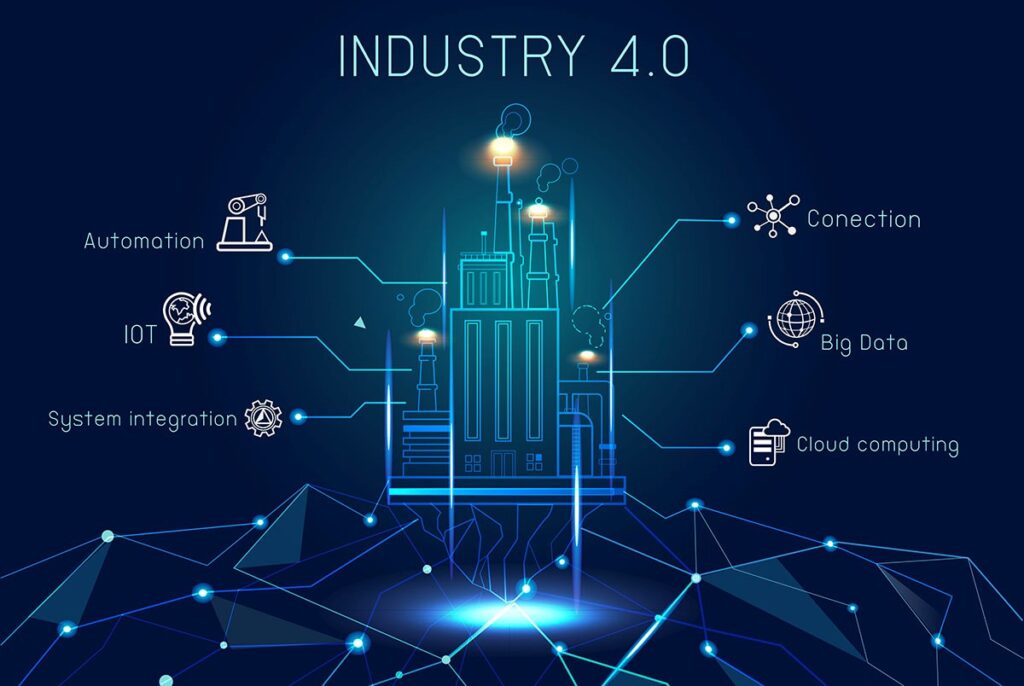
In the world of industry, there’s a new player in town called “Industry 4.0.” It’s not just about machines; it’s about a big change. This blog is your guide through the journey from the 3rd Industrial Revolution to Industry 4.0. We’ll explore how this impacts how things are made, especially with robots and 3D printing.
The 3rd Industrial Revolution
Picture this: a time when computers and machines started working together more. That was the 3rd Industrial Revolution. It was a big step forward, making things faster and smarter. If you haven’t already, be sure to check out our previous post where we dive deep into the advancements of the 3rd Industrial Revolution.
Enter Industry 4.0

Now, we’re in a new era, Industry 4.0. It’s like a fusion of the physical and digital worlds. We’re talking about smart systems, the Internet of Things (IoT), and clever machines. It’s not just an upgrade; it’s a whole new way of doing things.
Impacts on Industrial Automation
For folks in the world of making things, Industry 4.0 is a game-changer. Let’s zoom in on the profound impacts it has on Industrial Automation.
- Connectivity and Communication
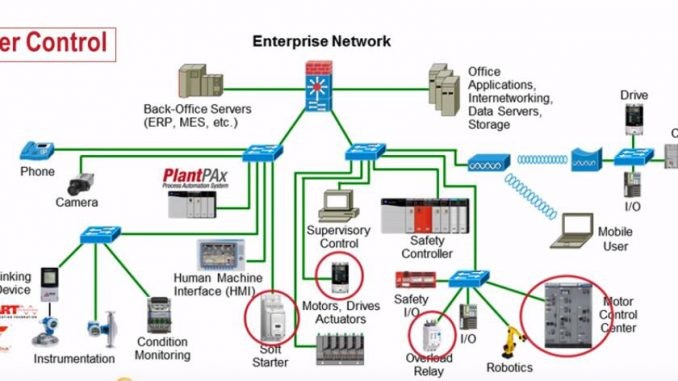
In the era of Industry 4.0, machines don’t just operate in isolation—they communicate. Industrial Automation systems are now interconnected, creating a seamless flow of information. This connectivity allows machines to share real-time data, facilitating smarter decision-making and optimizing the entire production process. Imagine a factory where every machine is aware of what its counterparts are doing, leading to a synchronized and efficient operation.
2. Smart Decision-Making
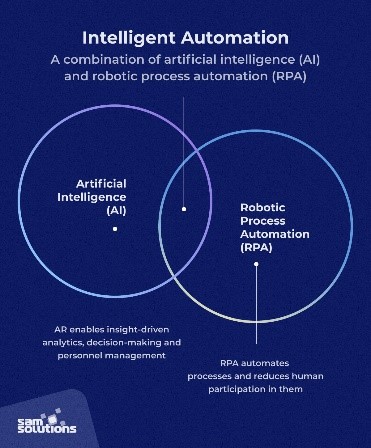
Gone are the days of predefined processes that machines follow blindly. With Industry 4.0, machines are becoming intelligent decision-makers. Thanks to advanced sensors and analytics, Industrial Automation systems can analyse data on the fly. This means that machines can adapt to changing conditions, predict maintenance needs, and even optimize energy usage. The result? Enhanced productivity, reduced downtime, and more cost-effective operations.
3. Predictive Maintenance
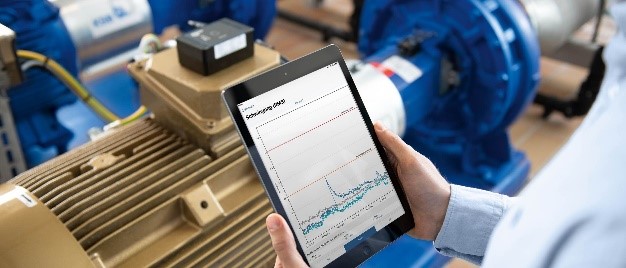
One of the revolutionary aspects of Industry 4.0 in Industrial Automation is predictive maintenance. Rather than waiting for a machine to break down, sensors collect and analyse data to predict when maintenance is needed. This proactive approach minimizes unplanned downtime, extends the lifespan of machinery, and ultimately saves costs. It’s a shift from reactive and preventive to predictive maintenance strategies, ensuring that operations run smoothly without unexpected interruptions.
4. Flexibility and customization
Industry 4.0 brings a new level of flexibility to Industrial Automation. Traditional manufacturing lines were often rigid, designed for mass production of identical products. With smart automation, the focus shifts towards customization. Machines can easily be reprogrammed or adjusted to produce different products without lengthy retooling processes. This adaptability is crucial in today’s dynamic market where consumers increasingly demand personalized and unique products.
5. Human-Machine Collaboration
Industry 4.0 doesn’t replace humans; it enhances their role. The integration of automation and artificial intelligence allows for seamless collaboration between humans and machines. Tasks that require creativity, problem-solving, and decision-making remain in the hands of humans, while repetitive and mundane tasks are delegated to machines. This collaboration results in a more efficient and ergonomic working environment.

6. Benefits and Challenges
While the impacts of Industry 4.0 on Industrial Automation are groundbreaking, there are both benefits and challenges to consider. The benefits include increased efficiency, cost savings, and improved product quality. On the flip side, challenges such as cybersecurity risks, the need for a skilled workforce, and the initial investment in new technologies must be addressed.
Let’s dive into a real-life example to see how Industry 4.0 can make a difference. Take “Amazon,” a giant that transformed its operations by embracing Industry 4.0 principles.
Amazon’s Industry 4.0 Journey
As found during case study.
Creating Value with Industry 4.0 Published by Gitarthi Medhi in the Master of Science in Engineering and Management at the Massachusetts Institute of Technology journal of JUNE 2016
Before diving into Industry 4.0, Amazon, despite being a giant, faced challenges in managing its vast network of warehouses efficiently. They needed a way to optimize processes and handle the ever-increasing demand.
By integrating smart technologies and embracing Industry 4.0 principles, Amazon revolutionized its logistics and fulfilment centres. Smart sensors tracked inventory in real-time, and data analytics helped predict customer demands. This meant faster order processing, reduced errors, and a more streamlined supply chain.
Amazon’s success with Industry 4.0 showcases the real-world benefits of embracing the fourth industrial revolution. It’s not just about selling products online; it’s about using technology to enhance every step of the process, from ordering to delivery.
This case study in a way proves that Industry 4.0 is not reserved for a select few but can be a game-changer for even the biggest players in the industry.
The role of 3D Printing
Now, let’s dive deeper into the fascinating world of 3D printing. Beyond being a cool tool, 3D printing is a remarkable method that adds a touch of magic to manufacturing.
Imagine creating objects layer by layer, like building a structure from the ground up. That’s precisely what 3D printing allows. It’s a process known as additive manufacturing, where materials are layered on top of each other based on a digital model. This not only provides incredible precision but also allows for the production of highly complex and customized designs.
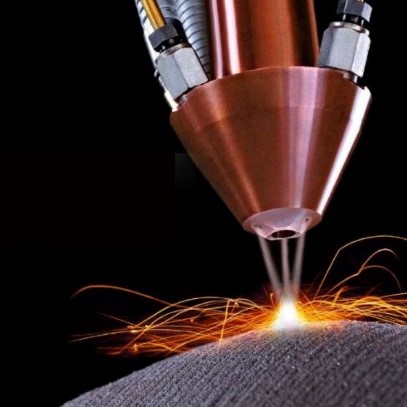
The beauty of 3D printing in Industry 4.0 lies in its ability to bring customization to the forefront. Traditional manufacturing methods often involve creating molds and tooling for mass production, which can be time-consuming and expensive. 3D printing eliminates many of these constraints, enabling the creation of prototypes, spare parts, and intricate designs with ease.
In the context of Intelligent Robotic Concepts, 3D printing becomes a powerful ally in the pursuit of innovation. Imagine crafting custom components for robotic systems or creating prototypes for automation solutions with unmatched speed and precision. It’s not just about making things; it’s about making them with unparalleled flexibility and efficiency.
Looking Forward
The beauty of 3D printing in Industry 4.0 lies in its ability to bring customization to the forefront. Traditional manufacturing methods often involve creating molds and tooling for mass production, which can be time-consuming and expensive. 3D printing eliminates many of these constraints, enabling the creation of prototypes, spare parts, and intricate designs with ease.

So, in the world of Industry 4.0, it’s not just about using new gadgets. It’s about shaping how things are made. We started with the 3rd Industrial Revolution, but now we’re heading towards a smarter and more connected world. Let’s ride this wave together, unlocking endless possibilities for businesses and the world.
We’d love to hear your thoughts on the future of industry and how you envision the role of Industry 4.0.
Have you encountered any challenges or successes in adopting these technologies? Share your experiences and drop a comment below.
Let’s create a conversation about the exciting possibilities that lies ahead.