

In the quest for a sustainable future, industries are turning to innovative solutions to reduce their environmental impact. One such transformative force is the integration of industrial automation, which not only enhances efficiency and productivity but also plays a pivotal role in creating eco-friendly manufacturing environments. In this instalment of our series on “Industrial Automation Solutions for a Sustainable Future,” we explore how automation technologies contribute to greening the factory floor.
The Environmental Imperative

As global awareness of climate change and resource depletion grows, industries are under increasing pressure to adopt sustainable practices. The manufacturing sector, known for its resource-intensive processes, is actively seeking ways to minimize its ecological footprint. Industrial automation emerges as a key enabler in achieving this goal, offering a suite of solutions designed to optimize operations with environmental considerations in mind.
Energy-Efficient Manufacturing Processes
One of the primary ways industrial automation contributes to sustainability is through the implementation of energy-efficient manufacturing processes. Traditional manufacturing setups often involve continuous and indiscriminate energy consumption. However, with the advent of automation, smart systems can dynamically adjust energy usage based on real-time demand.
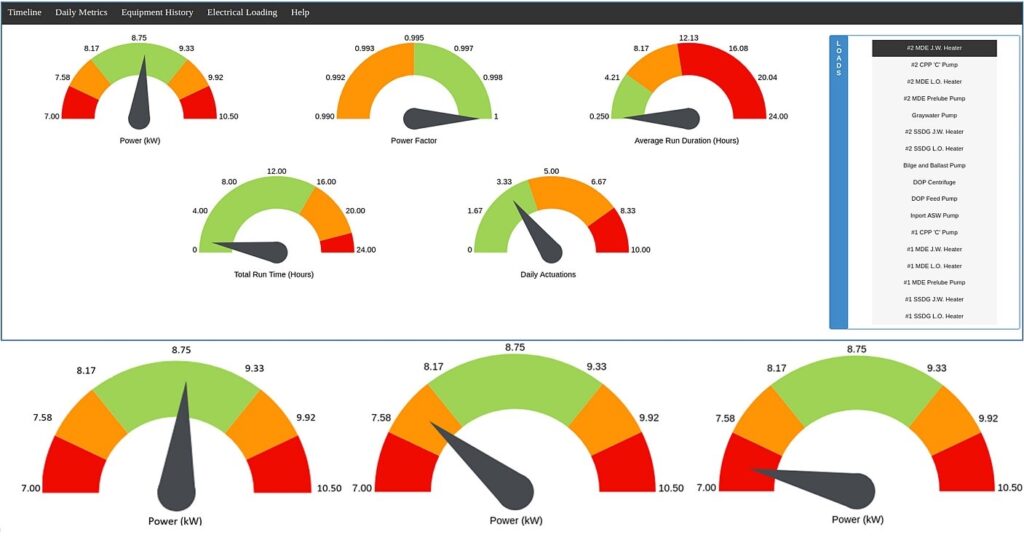
Smart sensors and intelligent control systems monitor energy consumption throughout the factory floor. They optimize the operation of machinery, adjusting output levels and shutting down non-essential equipment during periods of low demand. This not only reduces overall energy consumption but also lowers utility costs, offering a win-win scenario for both businesses and the environment.
Optimized Resource Utilization
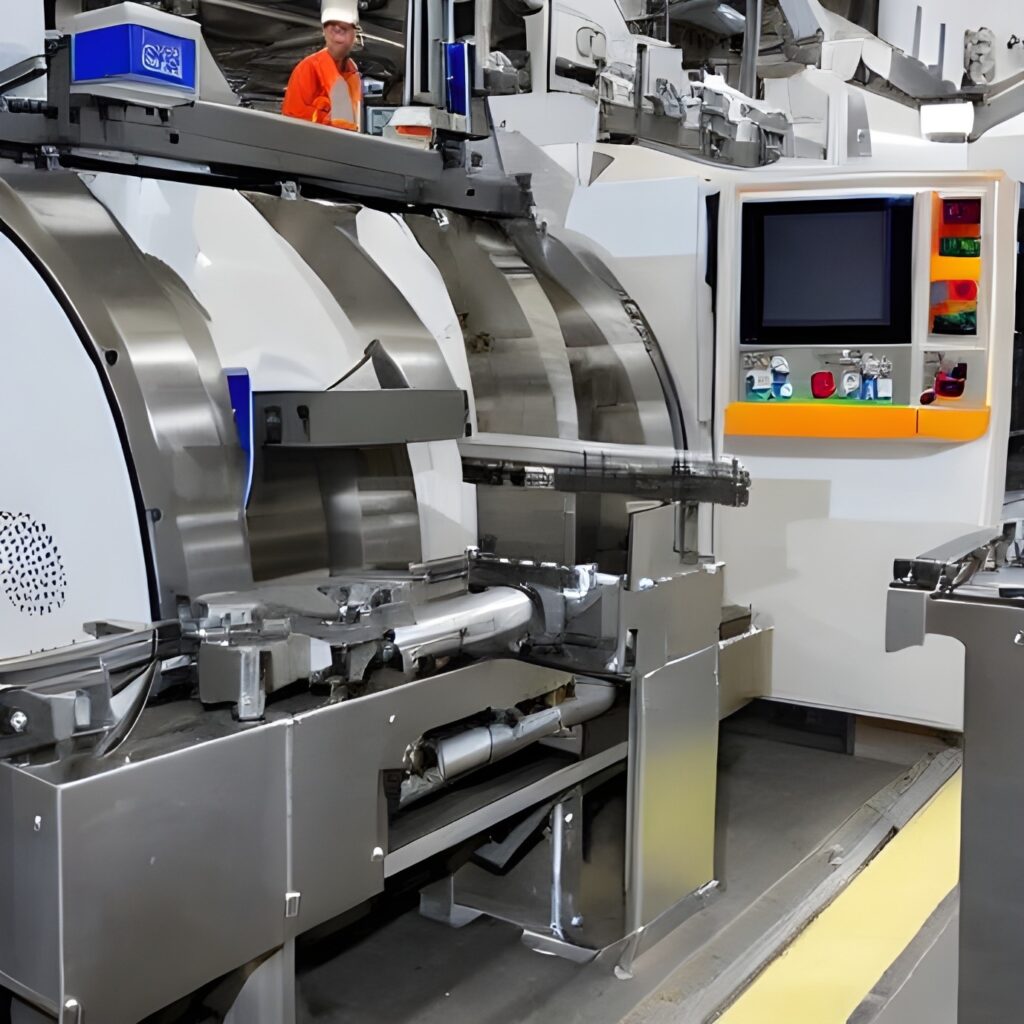
Automation technologies play a crucial role in minimizing material waste and optimizing resource utilization. Through the integration of sensors and analytics, manufacturers gain unprecedented insights into their production processes. This granular data allows for precise control over material usage, reducing overconsumption and minimizing waste generation.
For example, automated systems can monitor and control the dispensing of raw materials with remarkable accuracy. Smart algorithms can adjust the quantity of materials based on real-time variables such as product demand, ensuring that excess materials are not used. This not only contributes to sustainability goals but also translates into cost savings for businesses by reducing the need for excess inventory.
Case Studies in Sustainable Automation
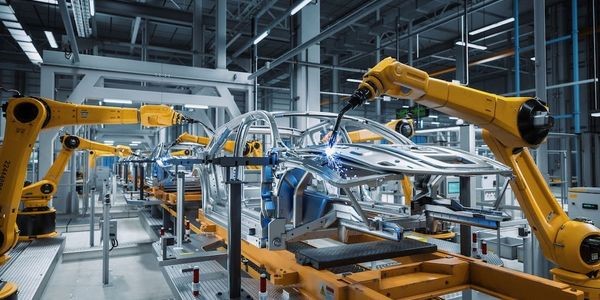
Real-world examples abound, showcasing the tangible benefits of sustainable automation practices. In the automotive industry, major manufacturers have embraced automation to optimize their energy consumption. Smart factories employ advanced robotics and AI-driven systems to streamline production, leading to significant reductions in energy usage per unit produced.
Furthermore, the integration of renewable energy sources, such as solar and wind power, into automated manufacturing facilities is becoming increasingly common. This combination of automation and renewable energy not only reduces the carbon footprint but also ensures a more resilient and sustainable energy supply for factories.
The Path Forward: Sustainable Automation Strategies

As industries continue to prioritize sustainability, adopting a holistic approach to automation becomes crucial. Manufacturers can take several steps to ensure their automation strategies contribute to greening the factory floor:
- Comprehensive Energy Audits:
Conduct thorough energy audits to identify areas for improvement. Implement automation solutions that enable dynamic control of energy usage based on demand fluctuations.
- Material Flow Optimization:
Utilize automation technologies to optimize material flows and minimize waste. Implement smart inventory management systems to reduce excess raw material inventory.
- Renewable Energy Integration:
Explore opportunities to integrate renewable energy sources into automated manufacturing processes. This includes leveraging solar, wind, and other sustainable energy solutions.
- Continuous Monitoring and Improvement:
Implement continuous monitoring systems to track the environmental impact of manufacturing operations. Use data analytics to identify opportunities for further optimization and sustainability.
In the journey toward a sustainable future, the role of industrial automation in greening the factory floor cannot be overstated. By leveraging smart technologies, manufacturers can not only improve operational efficiency but also contribute to global sustainability goals. The integration of energy-efficient processes, optimized resource utilization, and renewable energy sources positions automation as a cornerstone for environmentally conscious manufacturing.
In the next part of our series, we will delve into how industrial automation supports waste reduction, demonstrating how smart systems can contribute to a circular economy. Stay tuned for more insights into the transformative power of automation in building a sustainable future.
Join the conversation!
How is your industry incorporating sustainable practices through automation?
Share your insights and experiences in the comments below. Let’s learn from each other as we pave the way for a greener, more sustainable future.